For centuries, a simple, unassuming fabric has been a silent hero in kitchens, dairies, and craft rooms alike. This fabric is cheesecloth, a versatile, gauze-like cotton material that is far more useful than its name suggests. While its primary historical use was in cheese making—hence the name—modern cooks, bakers, and DIY enthusiasts have discovered a myriad of applications for this humble cloth. Whether you're clarifying butter, straining homemade yogurt, or creating a festive ghost decoration, understanding the different types of cheesecloth is key to achieving the best results.
Understanding Cheesecloth Grades: Why It Matters
Not all cheesecloth is created equal. It is categorized by "grade," which refers to the number of threads per inch in each direction. The grade determines the fabric's density and what it's best suited for. Lower grades (like 10, 20, or 40) are very open and loose, ideal for tasks like bundling herbs or polishing silver. For most culinary tasks, however, a tighter weave is essential.
This is where Grade 100 cheesecloth shines. As the finest and densest weave commonly available, it acts as an ultra-fine filter. It's perfect for straining out the tiniest curds in soft cheese making, clarifying broths and consommés to crystal clarity, and extracting every bit of pulp from fresh fruit juices. Products like the Cotton Farm Grade 100 XL Cheese Cloth are specifically designed for these demanding tasks, offering a reusable butter muslin that won't let solids through.
Key Features of Quality Cheesecloth
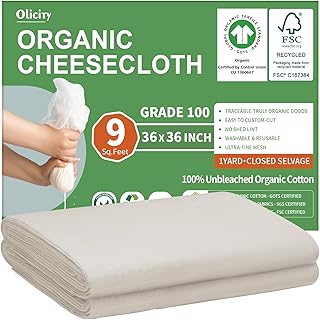
When selecting a cheesecloth, several features separate a good product from a great one. First, material is paramount. 100% unbleached cotton is the gold standard for food safety and reusability. Unbleached fabric contains no chemical residues, making it safe for all food grade applications. For those seeking the highest organic standards, options like the Organic Cheese Cloths with GOTS certification provide peace of mind.
Second, look for finished edges. Hemmed or serged edges prevent fraying, which is crucial for both longevity and preventing loose threads from contaminating your food. A reusable cheesecloth with hemmed edges will last through dozens of washes. Finally, consider size and quantity. Precut squares, like those found in the 6-Pack Beige Cheesecloth or the Mostdream 10-piece pack, offer incredible convenience, saving you time and ensuring a consistent size for your projects.
Versatile Uses in the Kitchen and Beyond
The culinary uses for a high-quality cotton cheesecloth are nearly endless. It's the secret to a perfectly clear turkey or chicken stock when used as a straining cloth. Wrap herbs and spices in a bundle (a bouquet garni) for easy removal from soups and stews. For home cheesemakers, it's indispensable for draining whey from yogurt to make Greek yogurt or labneh, and for forming the curds for soft cheeses like paneer or queso fresco. Our guide to cheesecloth uses delves deeper into these techniques.
Beyond the kitchen, cheesecloth is a favorite among crafters. Its loose, breathable weave makes it perfect for creating realistic ghost costumes, as a base for papier-mâché, or for staining and dyeing projects. Its gentle texture is also safe for polishing delicate surfaces and even for skincare, such as making homemade cold cream.
Choosing the Right Cheesecloth for You
Your choice depends on your primary use. For general kitchen tasks like cooking turkey or straining larger particles, a reliable, affordable option like GoodCook Everyday Cotton Cheesecloth is excellent. For serious cheese making and fine straining, invest in a true Grade 100 cheesecloth like the High-Grade 100 6-Pack. For craft projects where food safety isn't a concern, a simple, single-piece option like MAJESTIC CHEF Natural Cheesecloth might suffice.
Remember, a reusable cheesecloth is an eco-friendly and economical choice. After use, simply rinse under cold water, wash with mild soap, and air dry. With proper care, a good quality cloth can be used countless times, making it a staple cooking essential in any well-equipped home. For a comprehensive breakdown, check out our complete guide to cheesecloth, which covers everything from types to selection tips.
In conclusion, whether you are a culinary enthusiast, a home cheesemaker, or a DIY crafter, having the right cheesecloth on hand opens up a world of possibilities. By understanding grades, prioritizing features like unbleached cotton and hemmed edges, and choosing a product tailored to your needs—be it a multi-pack of precut squares or a large, organic certified piece—you can elevate your projects from ordinary to exceptional.